

For professionals
European fruit production is based on modern and efficient cultivation practices that comply with the highest quality and food safety standards of the European Union. Producers invest in technology, innovation, and sustainable farming methods, ensuring high-value products that meet the demands of international markets.
Within the framework of the Garden of Europe campaign, the two beneficiaries —the Agricultural Cooperative of Neapoli Agrinio (Greece) and the Association of Polish Fruit and Vegetables Distributors “Fruit Union” (Poland)— implement specific procedures and techniques that reflect the European philosophy of quality and their own expertise in kiwi and apple cultivation respectively.
Below are the key stages of the production process followed by these two organizations, from orchard to delivery, highlighting traceability, sustainability, and the consistent freshness and quality of European fruits.
Apples
1. Orchard Establishment & Cultivation
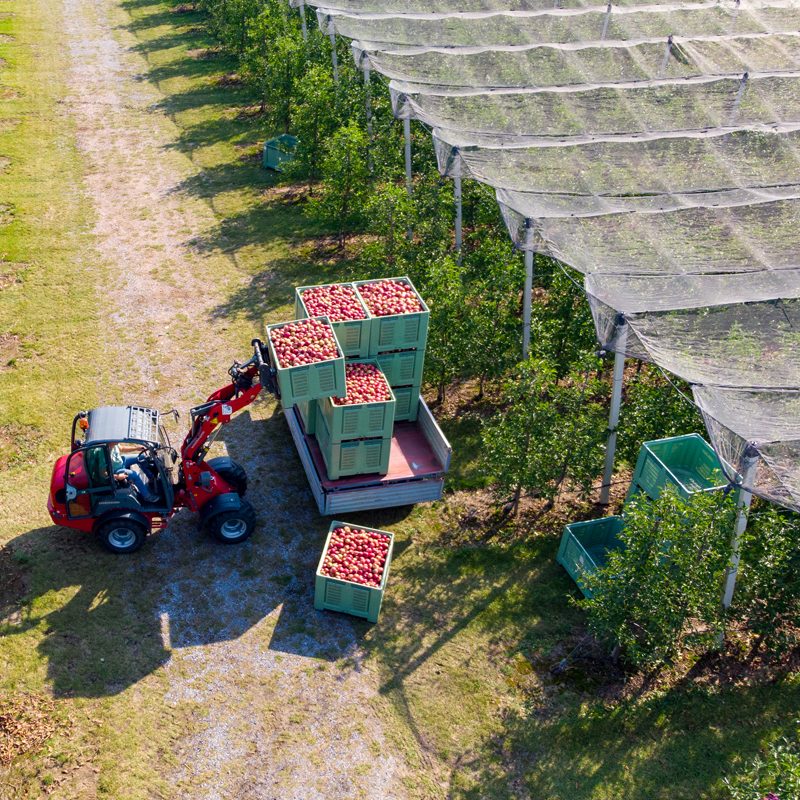
European kiwi and apple orchards are established with certified plant material under strict EU traceability systems such as GlobalG.A.P. and HACCP. Farmers follow sustainable soil and water management practices supported by the Common Agricultural Policy (CAP), ensuring consistent supply and environmentally responsible production. Fruit growers use modern methods to monitor temperature and precipitation. They have weather monitoring stations located in their orchards, which, when connected to a smartphone app, allow for constant crop monitoring. This allows fruit growers to precisely select orchard protection methods that are environmentally friendly. This system also allows them to initiate timely tree protection procedures against spring frosts, effectively preserving the harvest. In comparison, fruit growers can lose up to 70% of their crops due to damage caused by spring frost.
2. Flowering & Pollination
During flowering, growers safeguard pollinators and natural biodiversity while minimizing chemical inputs. Continuous field monitoring allows accurate crop forecasts and yield consistency — a key factor for importers planning future volumes and contracts. In Europe, special emphasis is placed on pollinator protection, using methods that “invite” insects into orchards. Recent years have seen a dangerously low level of essential insect presence in orchards. Special plants are being planted to attract insects, and mason bee houses and so-called insect hotels are being installed, providing shelter and habitat for bees. Bee protection programs are also being implemented.
3. Fruit Growth & Crop Management
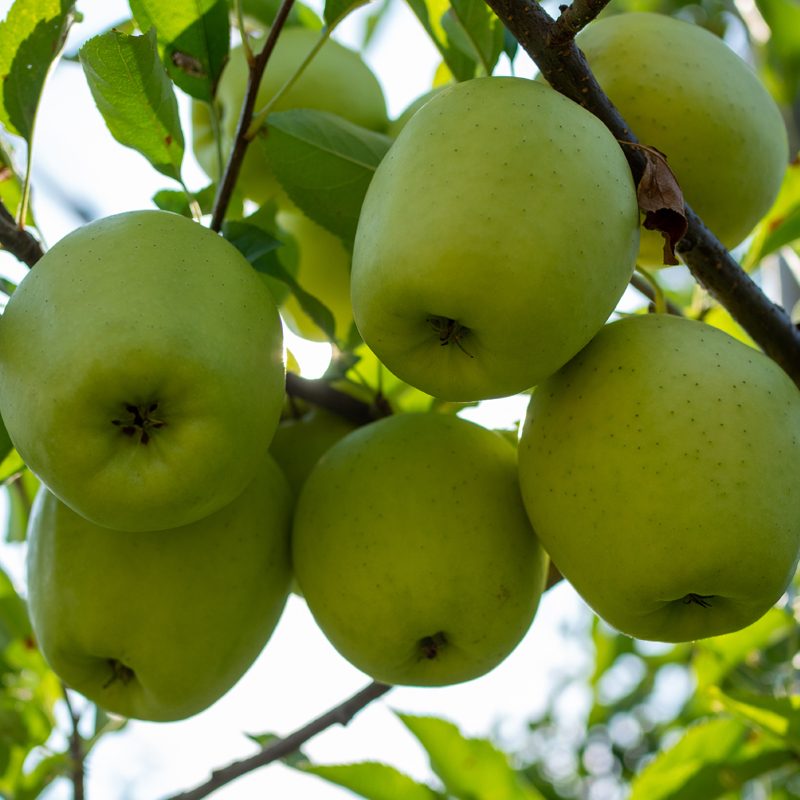
Throughout the growing season, European producers apply Integrated Pest Management (IPM) and precision farming technologies to control inputs and optimize fruit quality. Residue levels are strictly monitored and verified to meet EU Maximum Residue Limits (MRLs) guaranteeing clean, safe produce ready for export.
4. Harvesting
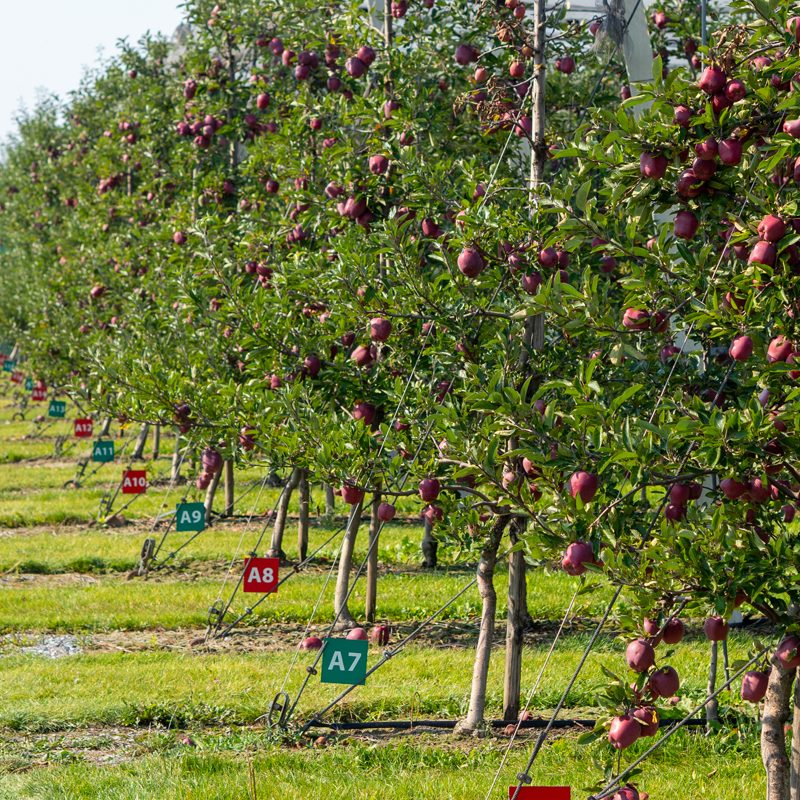
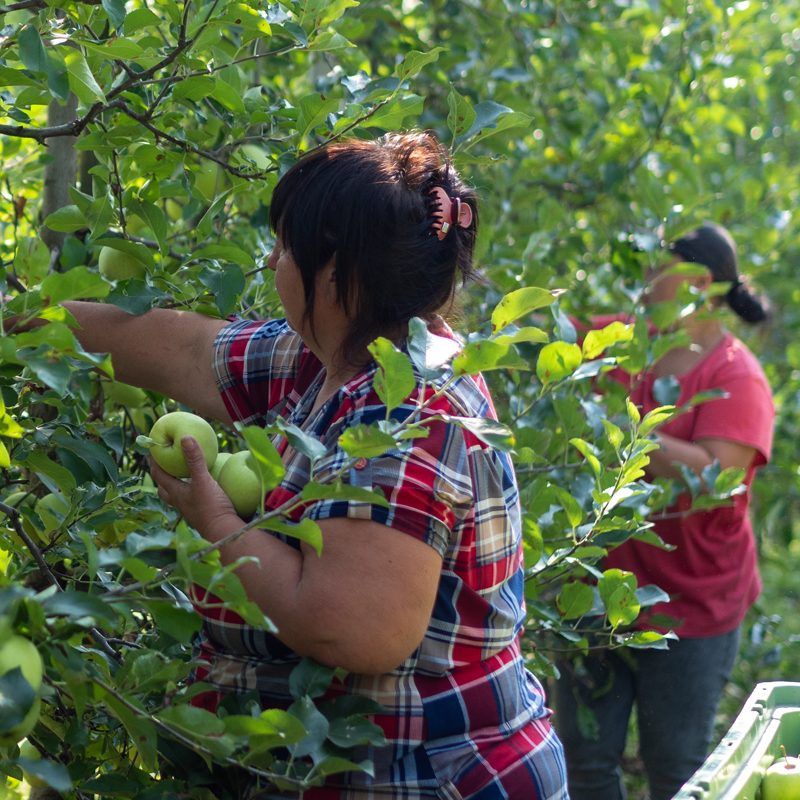
Apples are hand-harvested once they reach ideal maturity, measured by sugar content, firmness, and dry-matter indices. Each batch receives full traceability coding, linking the fruit directly to its origin orchard — proof of consistency and authenticity for global buyers. Pesticide residue monitoring is conducted during apple harvest. Batches of fruit are laboratory-tested for the presence of pesticides, or plant protection product residues. Fruit growers know which residues are unacceptable in apples because they follow the latest European Commission guidelines and are under the constant supervision of specialized fruit grower advisors. Laboratory testing is also conducted based on specific customer criteria, such as retail chains or specific market requirements, such as Indonesia. Furthermore, exporters know that, based on international protocols, fruit testing is performed exclusively in dedicated laboratories.
5. Sorting, Grading & Packaging
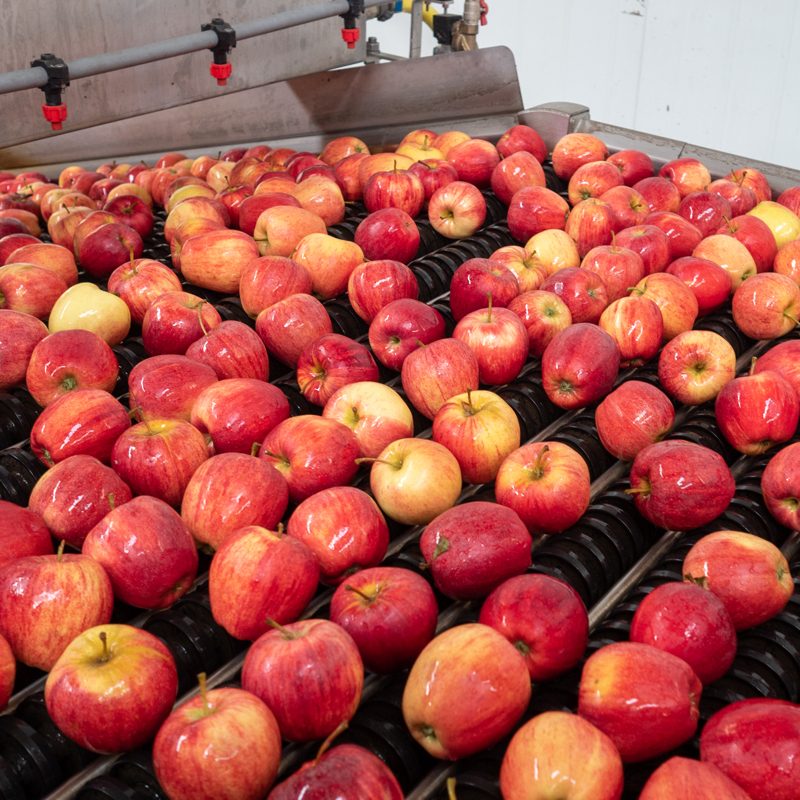
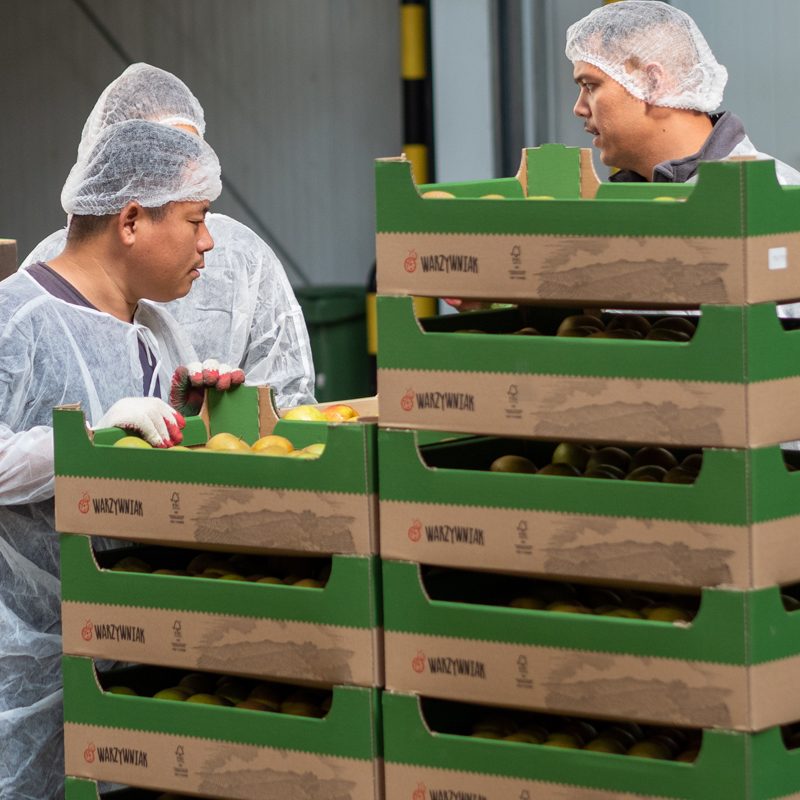
After harvest, fruits pass through automated grading lines equipped with optical sensors to evaluate size, color, and external quality. Packing houses operate under BRC Food and IFS certifications, enabling customized labeling and packaging formats tailored to importers’ market requirements. There are various ways to package apples, and they can be divided into four main packaging methods, adapted to different sales and logistical needs:
- Small retail packages weighing from 0.8 to 1.5 kg, holding 4, 6, or 8 apples. Ideal for individual sales.
- Cardboards – bulk packages weighing from 6-7 kg to 18 kg, available in loose or embossed versions.
- Wooden crates – sturdy transport packaging weighing 12–13 kg.
- Plastic bags – flexible retail packaging.
Each type of packaging combines functionality with adaptability to the scale of sales – from retail to wholesale distribution.
6. Cold Storage & Controlled Atmosphere
State-of-the-art warehouses utilizing controlled atmosphere technology (CA/ULO) enable precise management of oxygen, carbon dioxide, temperature, and humidity levels. This significantly slows down the ripening and aging processes of fruit, preserving their natural firmness, intense color, flavor, and high nutrient content over long storage periods.
Each warehouse meets the stringent requirements of ISO 22000 and the HACCP system, guaranteeing the highest level of food safety at every stage of storage. Constant monitoring of conditions and modern quality control systems ensure consistent parameters and storage stability, minimizing losses and the risk of product deterioration.
The use of these technologies allows us to deliver fresh, safe, and consistently high-quality fruit, even to distant export markets, providing customers with a product with a long shelf life and high commercial value.
7. Transport & Export Logistics
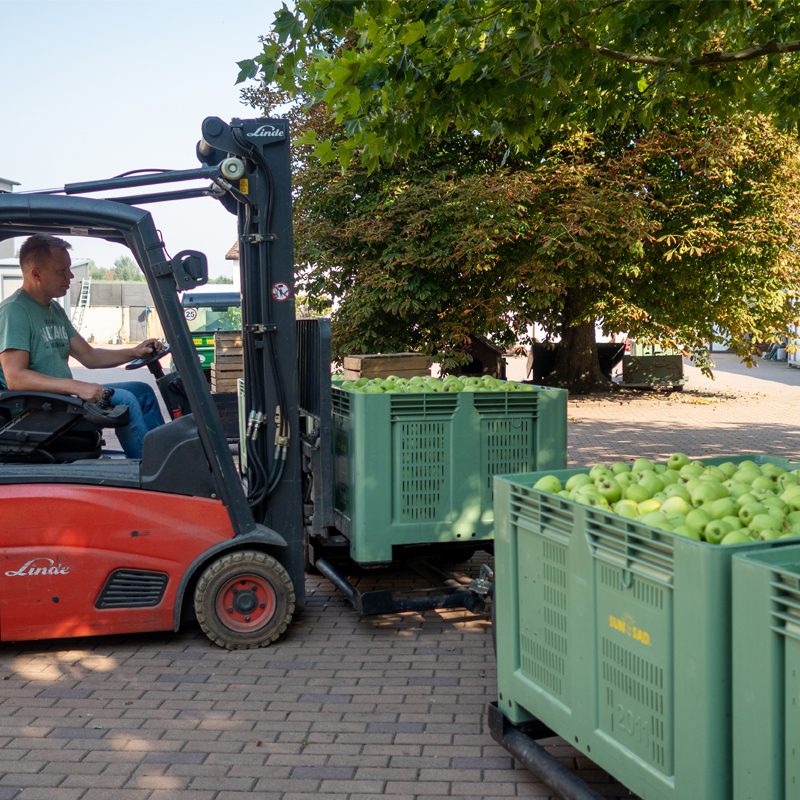
A fully monitored cold chain accompanies every shipment from packing station to final destination. Temperature tracking, phytosanitary certification, and EU export documentation ensure that European apples from Poland reach global partners in perfect condition and full compliance with import standards.
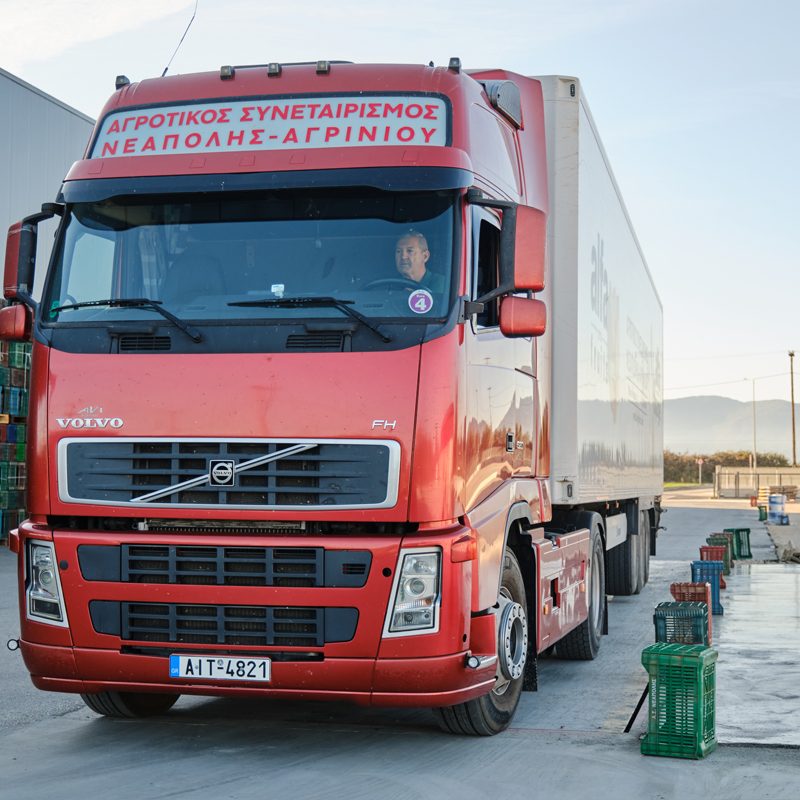
Transportation and payload capacity: Apples are being transported to distant markets by sea in special refrigerated containers. The most commonly used refrigerated containers (reefers) are 20- and 40-foot.
Payload capacity of the most popular 40-foot HCRF container:
- Net apple weight: Typically, from 19,500 kg to 21,000 kg.
- Pallet capacity: Holds 20–23 industrial pallets (100×120 cm) or up to 24–25 Euro pallets (80×120 cm) in a single layer.
Packaging method: Cartons weighing 13–18 kg are most commonly used.
Transit time: The sea transit time from Poland (usually from the port of Gdańsk or Gdynia) to the port of Surabaya in Indonesia averages 38 to 68 days. The sea transit time from ports in Poland (mainly Gdynia or Gdańsk) to major ports in India, such as Nhava Sheva (Mumbai), Mundra, Hazira, or Chennai, typically ranges from around 36 to over 50 days, depending on the specific route, carrier, and any transshipments.
Gdynia to Ashdod: The fastest sea route is approximately 21 days and 14 hours. Some sources indicate that the port-to-port journey itself can take around 7 days and 7 hours, but the total time, including waiting times and handling, is longer.
Gdańsk to Haifa: The estimated transit time is approximately 25 days.
Kiwis
1. Orchard Establishment and Cultivation
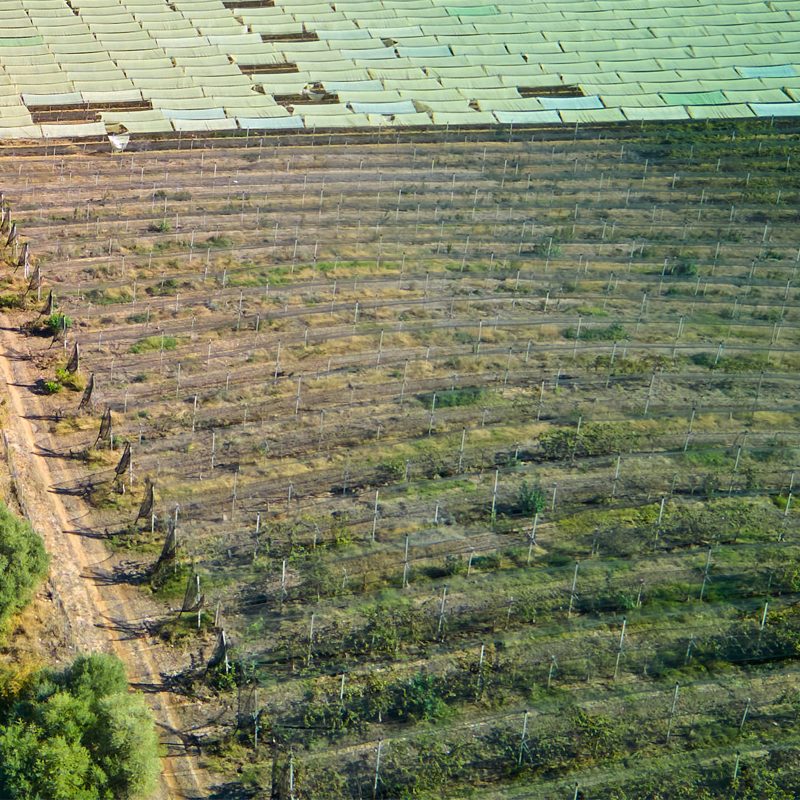
European kiwifruit orchards are established using certified planting material within strict traceability systems such as Global G.A.P. Growers apply sustainable soil and water management practices supported by the Common Agricultural Policy (CAP), ensuring stable production and environmentally responsible cultivation.
2. Flowering and Pollination
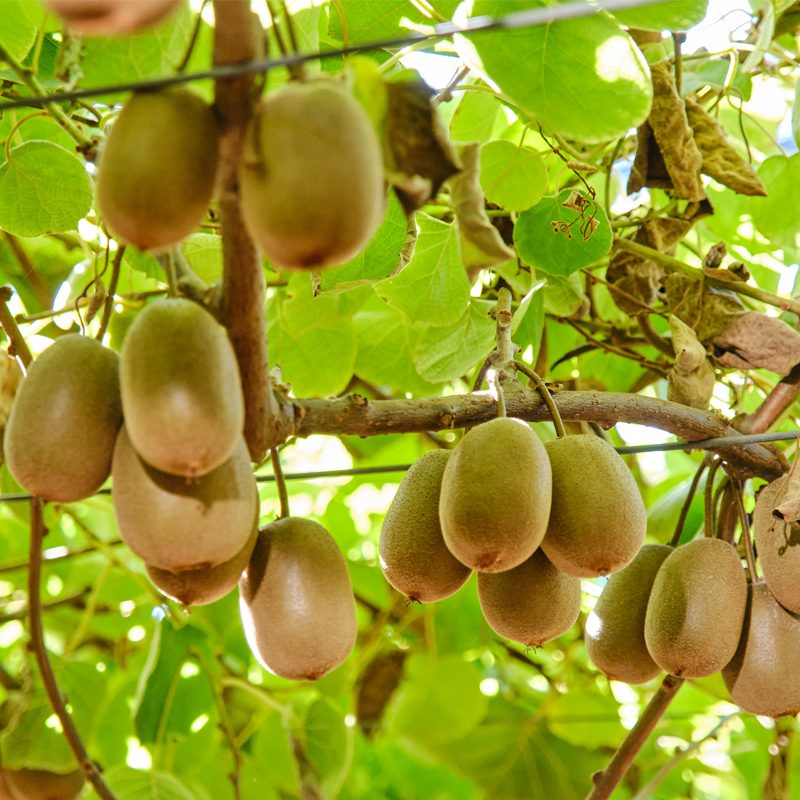
During the flowering period, growers protect pollinators and natural biodiversity by minimizing the use of chemical inputs. Continuous field monitoring allows for accurate crop forecasts and yield stability, a critical factor for importers when planning future volumes and contracts.
3. Fruit Development and Crop Management
Throughout the growing season, producers apply Integrated Pest Management (IPM) systems and precision agriculture technologies to control inputs and optimize fruit quality. Residue levels are strictly monitored and verified to comply with EU Maximum Residue Limits (MRLs), ensuring clean and safe products ready for export.
4. Harvest
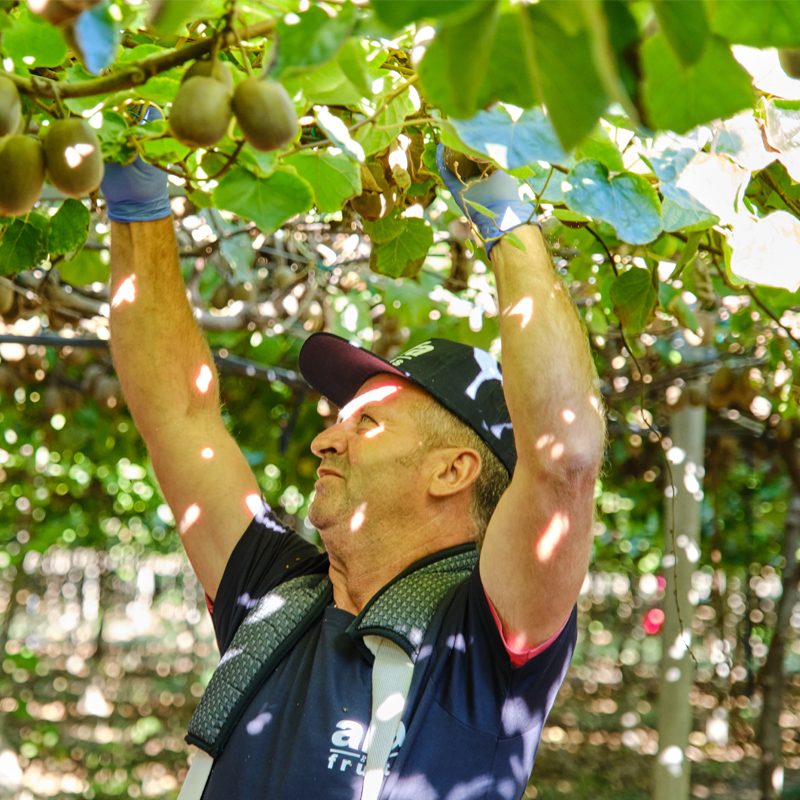
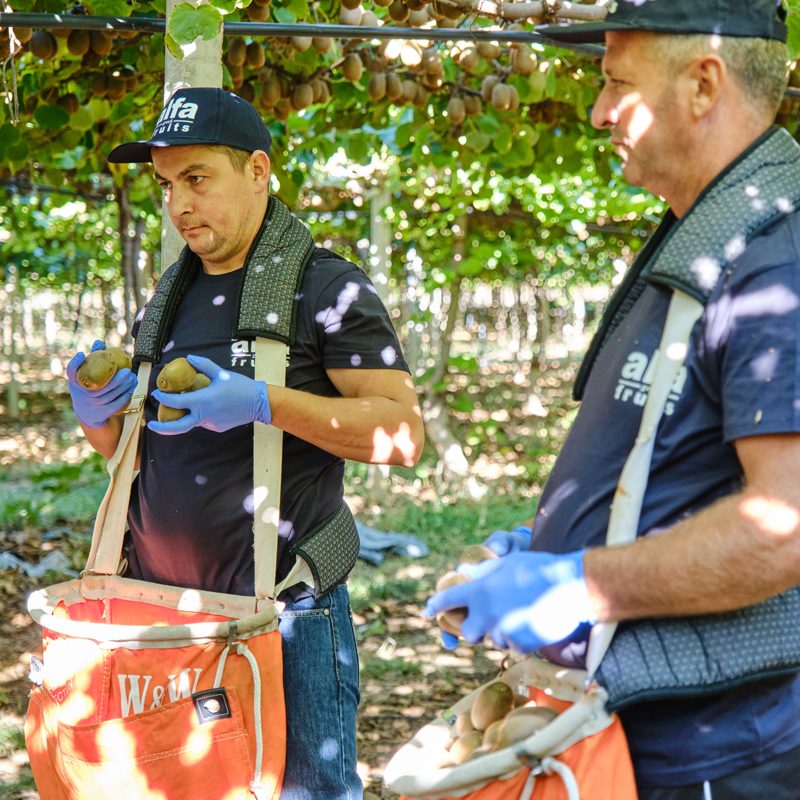
European kiwifruit and apples are hand-harvested at the ideal stage of maturity, determined through sugar content, firmness, and dry matter indicators. Each batch receives full traceability coding, directly linking the product to its orchard of origin, proof of consistency and authenticity for international buyers.
5. Sorting, Grading, and Packaging
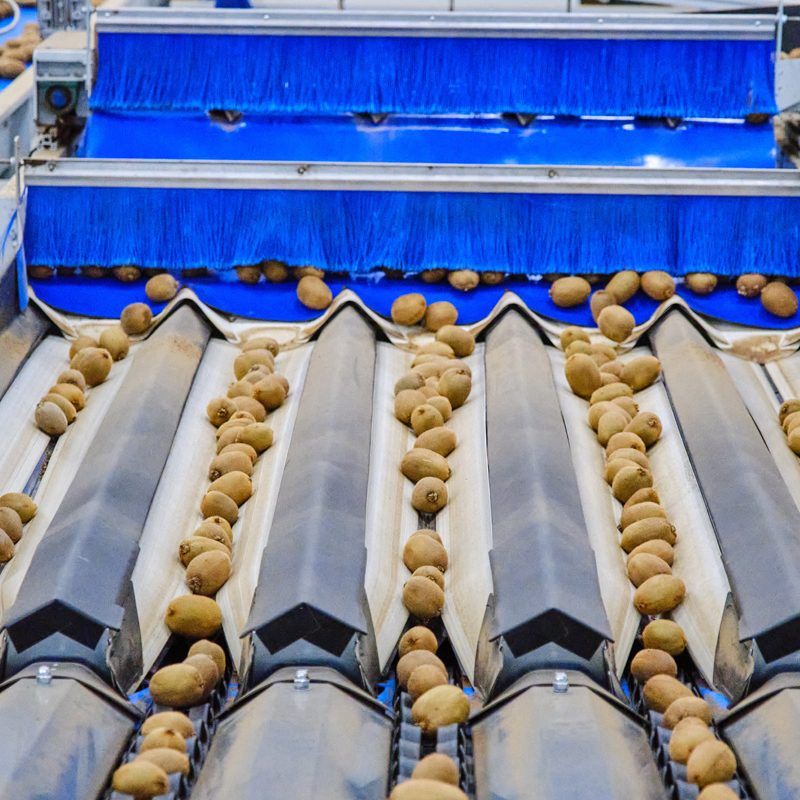
After harvesting, kiwifruits are transported to modern facilities, where they enter automated sorting lines. This process forms the core of our quality commitment:
Advanced Technology: We use optical sensors and high-resolution cameras that accurately assess the size, weight, shape, and external condition of each fruit, ensuring complete uniformity in every batch.
Quality Control: Sample checks are carried out to measure dry matter, sugar levels (Brix), and flesh firmness, ensuring optimal taste experience and product durability during transport.
International Safety Standards: Our packing houses operate under strict protocols and are fully aligned with international certifications such as BRC (Global Standard for Food Safety), IFS Food, and others. This guarantees maximum hygiene and full traceability “from field to shelf.”
Customization: We offer flexibility in final packaging, including private labelling and a variety of packaging materials (cartons, trays, punnets, etc.), tailored to the specific requirements and market preferences of international clients.
6. Storage in Controlled Atmosphere Cold Rooms
Maintaining kiwifruit freshness requires absolute precision in environmental conditions. For this purpose, we use advanced technology that allows our fruit to remain “alive” and unchanged for many months.
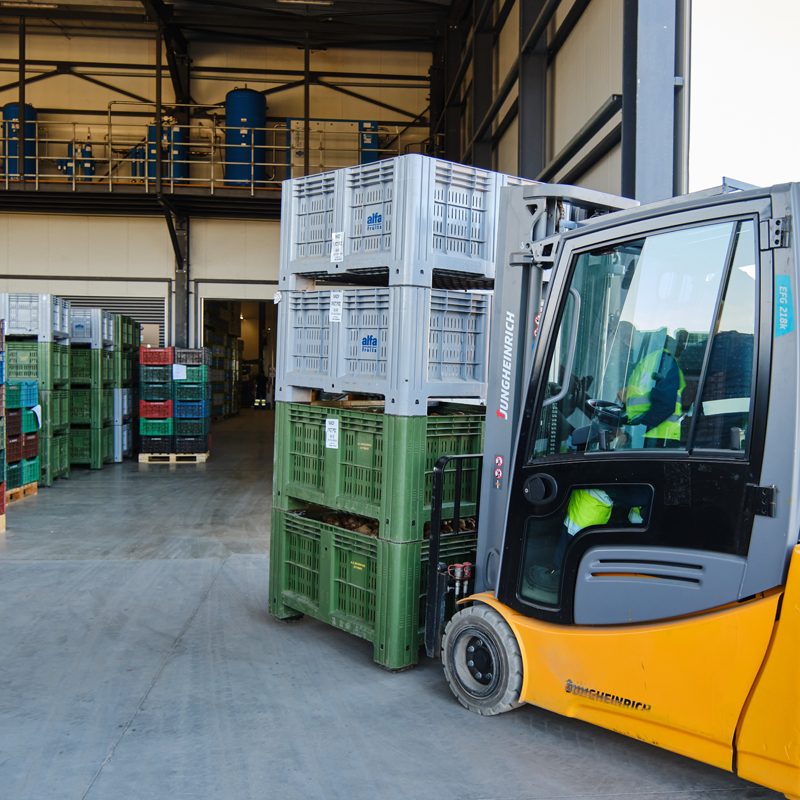
CA Technology: Our storage chambers are equipped with Controlled Atmosphere systems. By reducing oxygen levels and regulating carbon dioxide, we slow the fruit’s metabolism, preserving flesh firmness, vibrant colour, and full nutritional profile.
Real-Time Monitoring: Through digital control systems, we monitor temperature, humidity, and ethylene levels 24 hours a day. This strict management prevents premature ripening and ensures the fruit retains its organoleptic characteristics until consumption.
Certified Safety: Each facility operates in full compliance with international standards such as BRC, IFS, and SMETA. These food safety management systems guarantee risk elimination during storage and ensure excellent hygiene and safety conditions for company personnel.
Optimal Shelf Life: Specialized handling in our cold rooms prepares the product for its journey to international markets. Even for distant destinations requiring long sea transit, kiwifruit arrive with maximum commercial shelf life and a “freshly picked” feel.
7. Transport and Logistics
The quality of our products travels safely around the world thanks to an integrated supply chain management system. We ensure that the freshness that begins in the orchard remains intact until delivery to the final recipient.
Unbroken Cold Chain Management: We strictly apply cold chain protocols at every stage of transport. We use only modern refrigerated trucks and reefer containers equipped with temperature and humidity data loggers for continuous monitoring throughout the journey.
Full Phytosanitary Compliance: Each shipment is accompanied by all necessary phytosanitary certificates and full European Union export documentation. Our products fully meet the strict import standards of international markets, ensuring fast and smooth customs clearance.
Digital Traceability: Through advanced coding systems, we provide full batch traceability, allowing partners to know at any time the origin, packing date, and transport conditions of the fruit.
International Partnerships: Our cooperation with leading logistics companies guarantees consistent delivery times, whether by road transport within Europe or by sea freight to distant continents. Our kiwifruits reach international partners in excellent condition, ready for retail shelves.
Kiwifruit is a delicate product that requires precision during long-distance transport. To ensure maximum freshness upon arrival, our fruit is shipped via sea in specialized 40-foot High Cube Refrigerated Containers (HCRF). These units provide the optimum climate-controlled environment necessary for maintaining the firm texture and nutritional value of the kiwifruit throughout the journey.
Container Specifications & Loading: We optimize every shipment for safety and efficiency. A standard 40″ container delivery typically includes:
- Net Weight: Approximately 20,100 kg of kiwifruit.
- Packaging: Securely packed in 10 kg boxes, designed for ventilation and stackability.
- Pallet Configuration: Each container is expertly loaded with 20 industrial pallets plus one Euro pallet, maximizing space while ensuring proper airflow.
Transit Times: Shipping from the strategic hub of Piraeus, Greece, allows us to offer some of the most competitive transit times in the industry, ensuring our kiwifruit reaches the market while still at peak ripeness.
- To Israel: 6 – 7 Days
- To India: Approx. 28 Days
- To Indonesia: Approx. 32 Days