


Apples
European apples stand out as the fertile soil and the varieties that have acclimatized to the microclimate of the region offer a harmonious balance of flavors, combining sweet and sour tastes.
Every year, the EU exports an average of around 1 million tons of apples. They are produced using modern methods, respecting the environment and biodiversity. They provide the human body with vitamins and minerals and can be enjoyed fresh, in compotes, or in sweet tarts and pies!
Some of the cultivated varieties are:
Gala
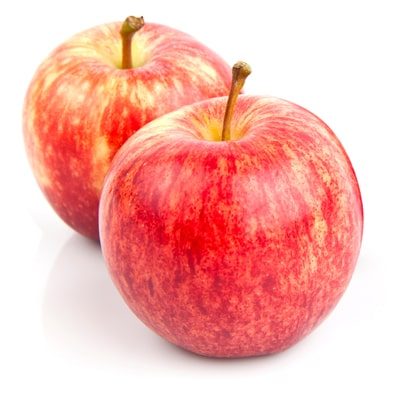
Apples that stand out for their smooth red skin with yellow tones. Some Gala varieties have visible stripes. They are medium-sized and have a thin peel. They are very crunchy and sweet tasting.
Red Jonaprince
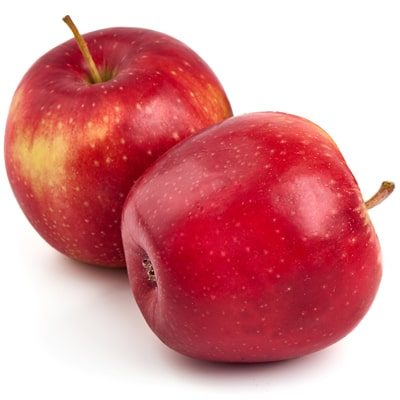
Large sized apples with a deep red color. They have firm flesh, soft skin, strong aroma, and sweet and sour taste.
Red Delicious
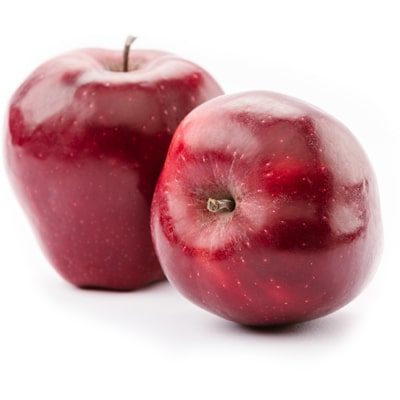
Crunchy apples, medium to large sized, dark red in color with golden tones. They are juicy, feature a spindle shape, and have a sweet taste.
Red Chief
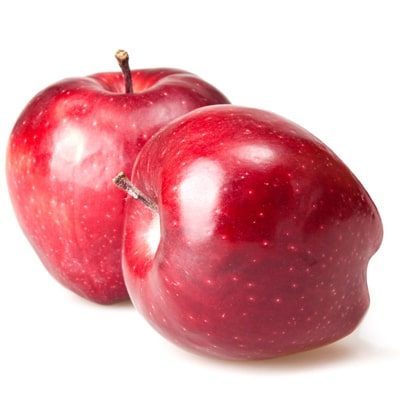
Apples with a dark red color and creamy, crunchy flesh. They stand out for their wonderful aroma and sweet taste.
| January | February | March | April | May | June | July | August | September | October | November | December | ||
|---|---|---|---|---|---|---|---|---|---|---|---|---|---|
Gala Apples |
Harvesting | ||||||||||||
| Availability | |||||||||||||
Red Jonaprince |
Harvesting | ||||||||||||
| Availability | |||||||||||||
Red Delicious |
Harvesting | ||||||||||||
| Availability | |||||||||||||
Red Chief |
Harvesting | ||||||||||||
| Availability | |||||||||||||
The Production Cycle of Polish Apples
European apples from Poland are recognized worldwide for their vibrant colours, balanced sweetness, and exceptional nutritional quality. This quality is the result of a combination of favourable climate, suitable soil conditions, and decades of expertise by Polish fruit growers. Central Europe’s climate, characterized by warm, sunny days and cooler nights during summer, along with careful irrigation, supports the development of fruit with excellent flavour, aroma, and appearance. The trees thrive in soils with moderate fertility and slight acidity, often including loess, clay, or loamy sand, which together contribute to apples with high vitamin content and a crisp, juicy texture.
1. Orchard Establishment and Tree Management
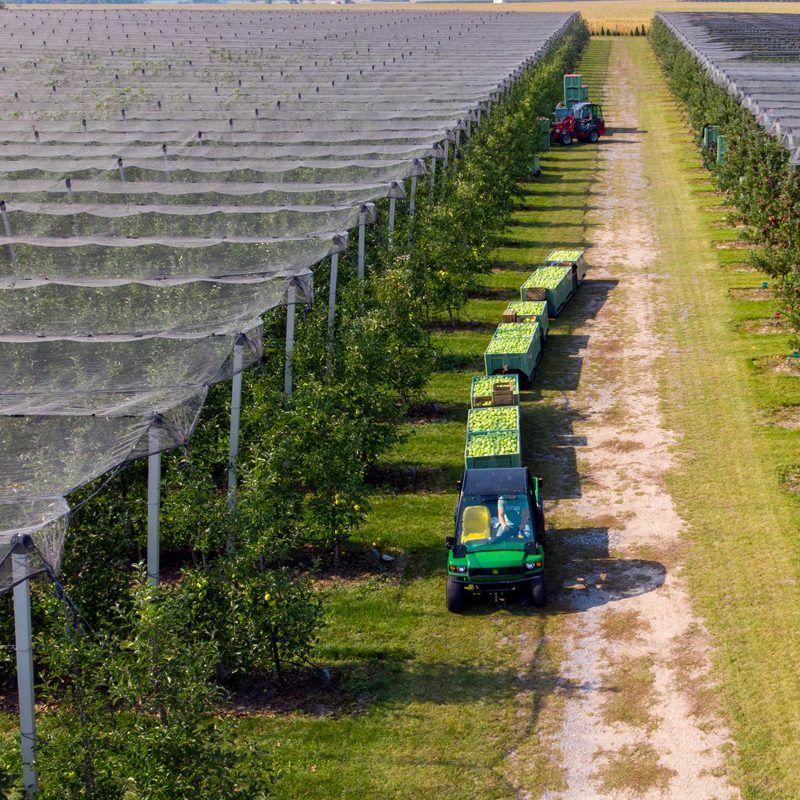
The foundation of high-quality apple production begins with careful site selection and orchard planning. Growers choose areas that maximize sunlight and airflow while minimizing frost risk. Trees are propagated on rootstocks suited for local conditions and grafted with the desired apple variety to ensure consistent quality and productivity.
Once planted, apple trees require structured care to promote healthy growth and abundant fruit. Annual pruning during winter dormancy shapes the canopy, enhancing light penetration and ventilation, which helps prevent diseases. Winter pruning should be completed before frost and before the temperature drops below -1oC. Summer pruning is often applied to further increase sun exposure, improving the fruit’s colour and enhancing flavour.
Another essential protective treatment, typical only for young trees, is whitewashing of trunks and branches, typically done between November and January. This lime-based coating reflects sunlight and prevents cracks caused by daily temperature fluctuations between warm days and frosty nights.
2. Fertilization and Water Management
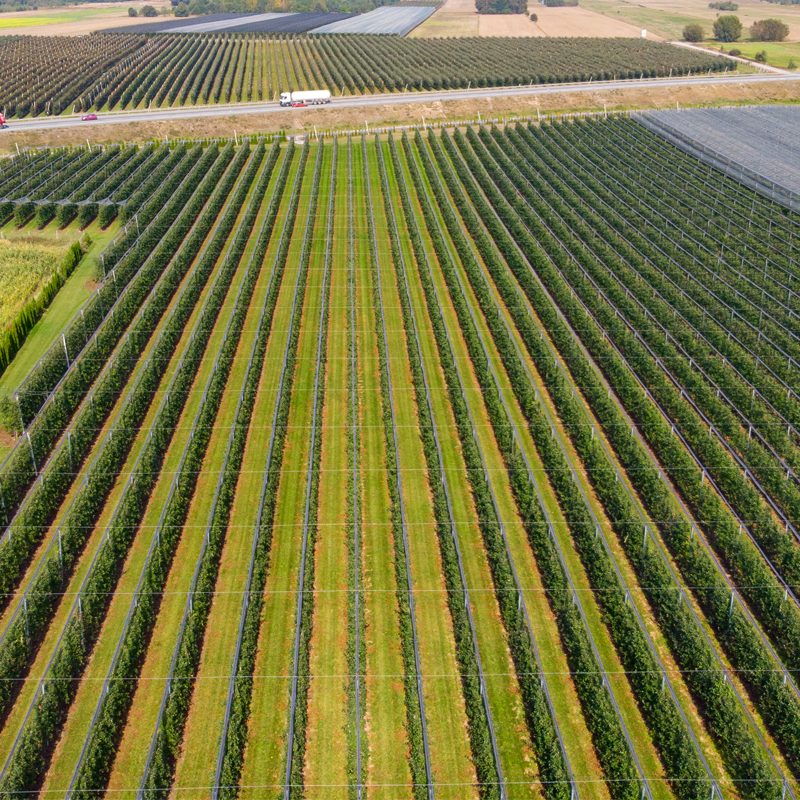
Polish orchards receive regular fertilization, determined through soil and leaf analyses, as well as visual inspections of tree health. By selecting appropriate nutrients, growers ensure the trees have everything they need for vigorous growth and optimal fruit development.
Adequate water supply is equally crucial. Apples have high irrigation requirements, and insufficient water can significantly reduce both yield and fruit quality. Growers carefully manage watering, especially during dry periods, to maintain healthy trees and consistent production for future seasons.
3. Integrated and Environmentally Friendly Production
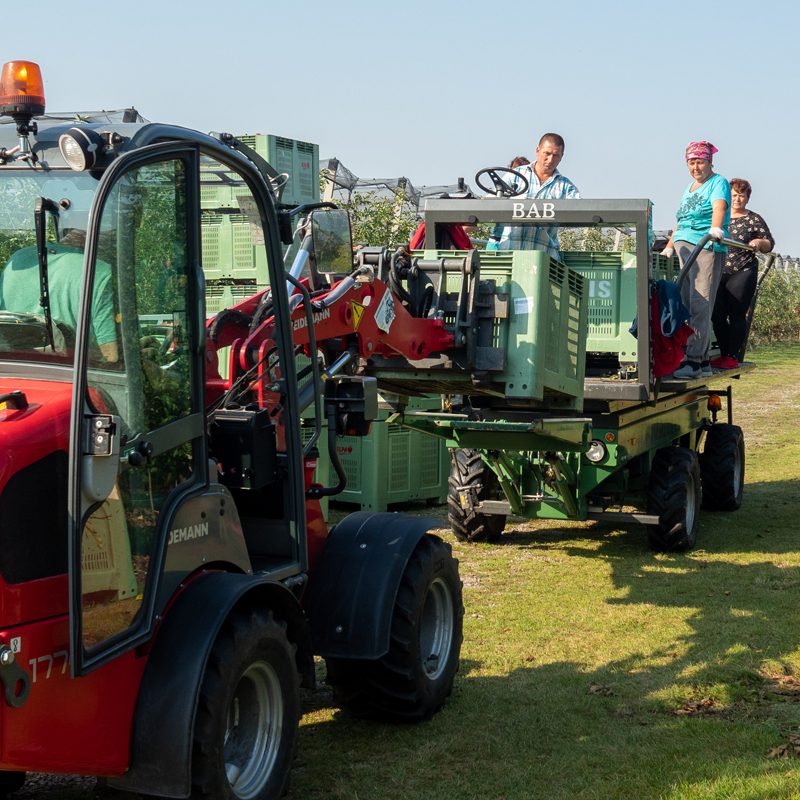
Sustainability is a key component of Polish apple cultivation. Most orchards follow Integrated Fruit Production (IFP) practices, which combine modern technical and sustainable methods to reduce chemical usage while protecting the environment and human health. This approach emphasizes careful monitoring of pests and diseases, efficient fertilization, and responsible water management.
Pest and disease control is carried out according to crop monitoring. Non-chemical strategies—such as pruning, removing fallen leaves, destroying mummified fruits, and controlling pathogen hosts—complement chemical treatments, reducing environmental pollution and ensuring safer produce. Integrated systems rely on these practices to minimize residual harmful substances while maintaining high-quality yields.
4. Flowering, Fruit Set, and Development
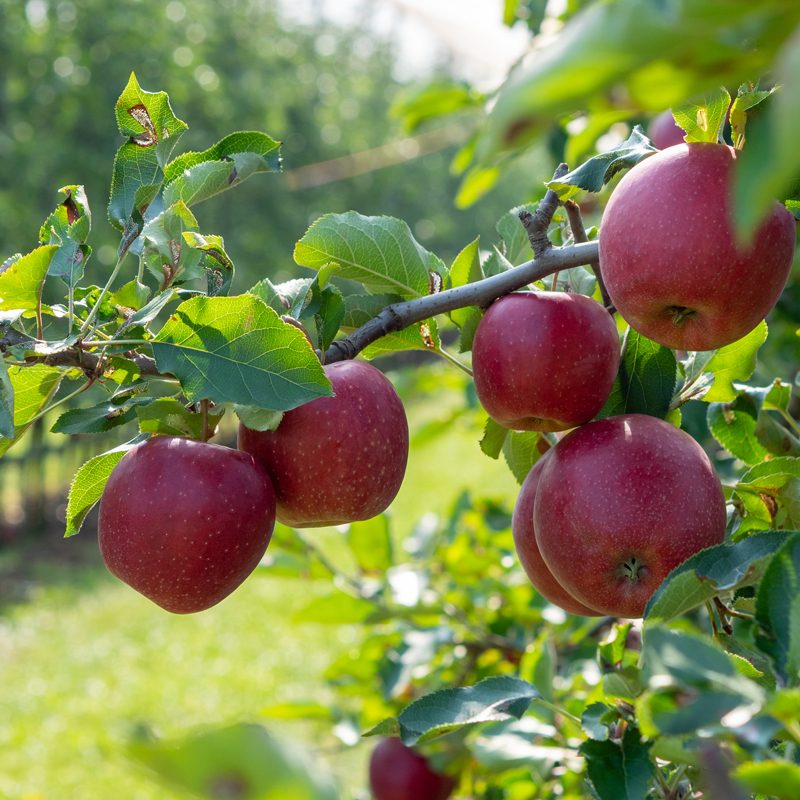
During spring, apple trees blossom, and successful pollination, primarily by bees, sets the stage for fruit growth. Growers carefully monitor fruit set and perform thinning to remove small or poorly positioned fruits. This step ensures the remaining apples reach ideal size, flavour, and colour while reducing the risk of branch breakage.
Throughout summer, trees continue to receive precise nutrients, water, and protection from pests and diseases. Growers monitor sun exposure and use orchard management techniques to optimize colour development, size, and firmness of the fruit.
5. Harvesting and Post-Harvest Handling
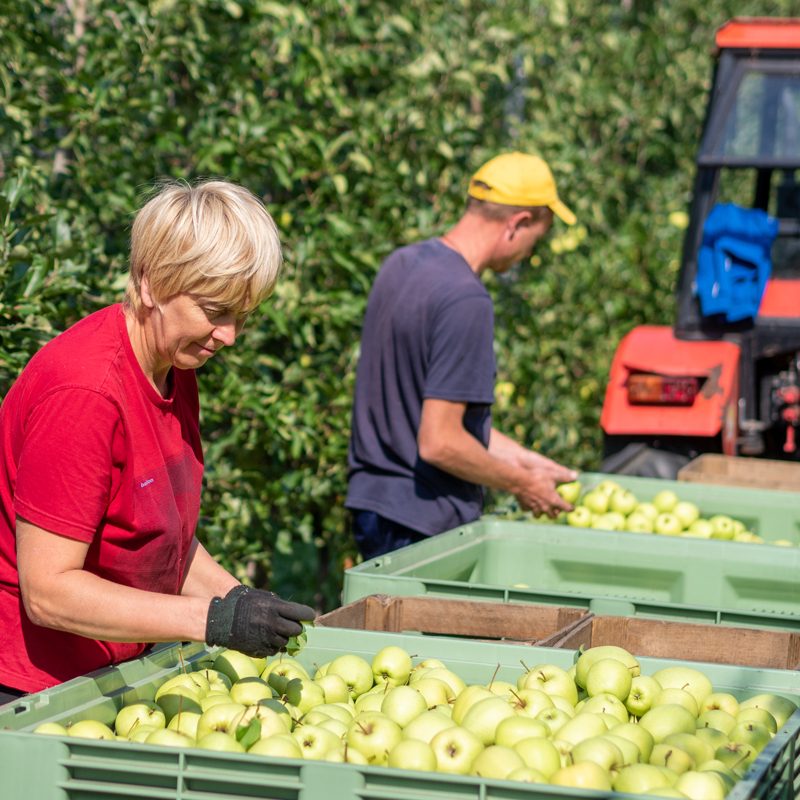
Apples are harvested from late August through October, depending on the variety. Picking is performed carefully to avoid bruising or mechanical damage, and only fully mature, top-quality fruits are collected for storage and export.
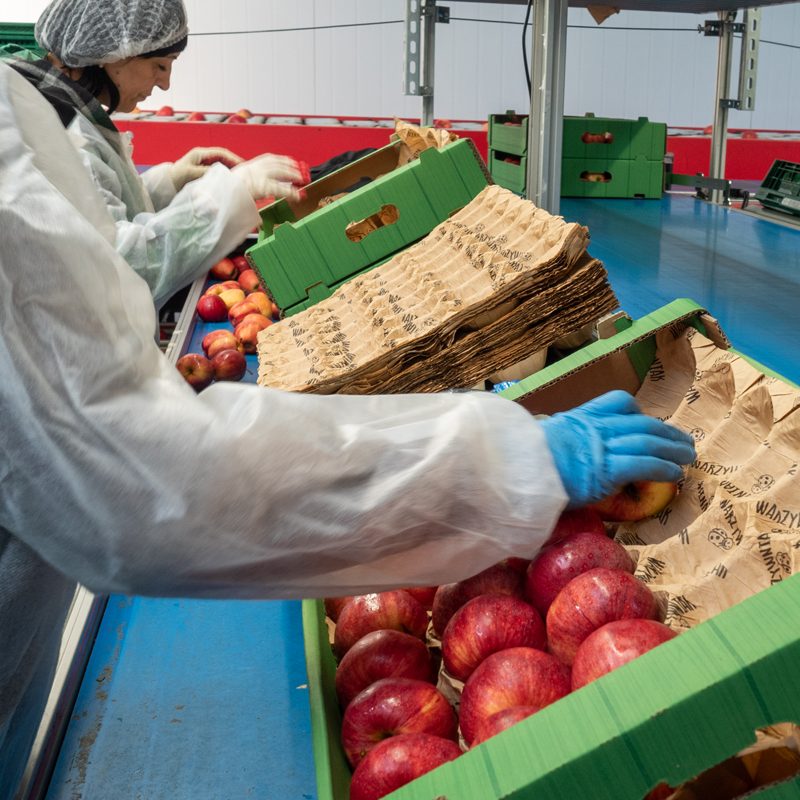
After harvest, apples are transported gently to cold storage facilities. Ultra Low Oxygen (ULO) storage, with precise temperature and humidity levels, prolongs freshness and preserves taste, colour, and nutritional value. In such conditions, apples can remain in excellent condition for many months after harvest. Proper post-harvest handling ensures that only the best apples reach the market.
6. Export and Traceability
Polish apples destined for export are accompanied by full traceability documentation, covering everything from orchard origin to the packing house. This system ensures that buyers and consumers can verify the quality and safety of the fruit. Careful labelling and compliance with EU and destination-country standards maintain confidence among importers in India, Indonesia, Israel, and beyond.
7. Quality, Flavour, and Consumer Trust
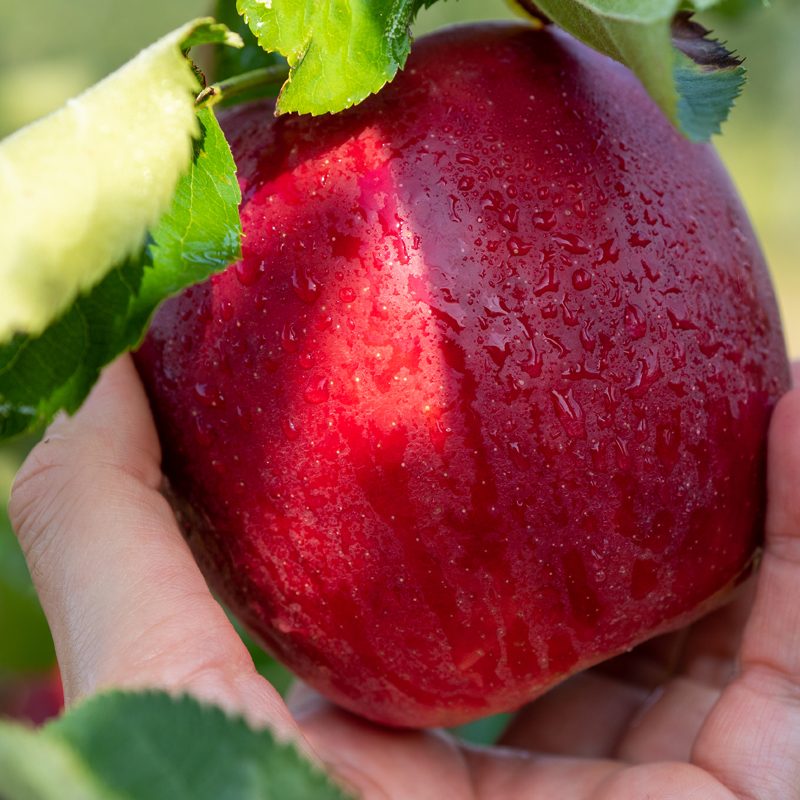
Every stage of the production cycle—from planting to harvest and post-harvest handling—is designed to produce apples that are safe, flavourful, and visually appealing. The combination of Poland’s climate, soil, and farming expertise results in fruits with a vibrant colour, balanced acidity, high sugar content, and excellent nutritional value. The use of sustainable farming techniques and integrated pest management ensures that the apples are not only a delight to eat but also produced responsibly, with minimal environmental impact.
Polish apples are therefore highly sought after in international markets for their taste, safety, and reliability, offering both consumers and importers a product that embodies tradition, expertise, and modern agricultural standards.